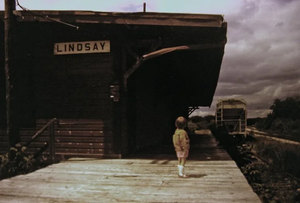
The Mystery of the Old Town Clock
Long-time residents of Lindsay have been wondering— what became of the old clock that once graced the tower of the old post office building? We dug through the Lindsay Post and our archives to see what we could find.
These days there’s a clock just about everywhere, but there was a time when a town clock was an important feature in a community. Near the top of the tallest tower in a town’s core, this was a necessity that enabled people to tell the time in an era when clocks and watches were expensive and required daily winding and adjustment to keep in synch. The town clock rang bells on the hour to keep everyone on time. Probably the most famous example of a town clock is the one that shares a tower with the bell “Big Ben.”
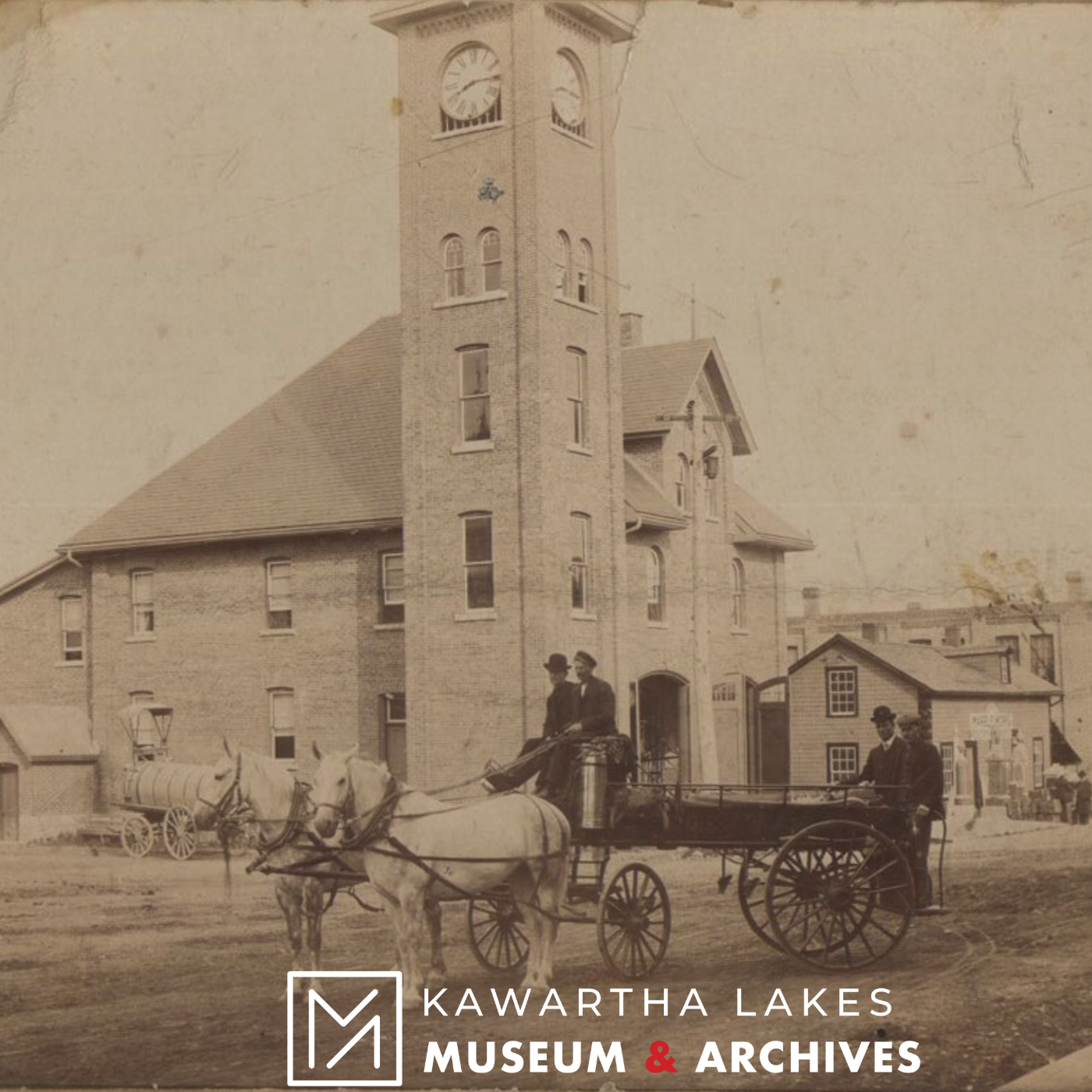
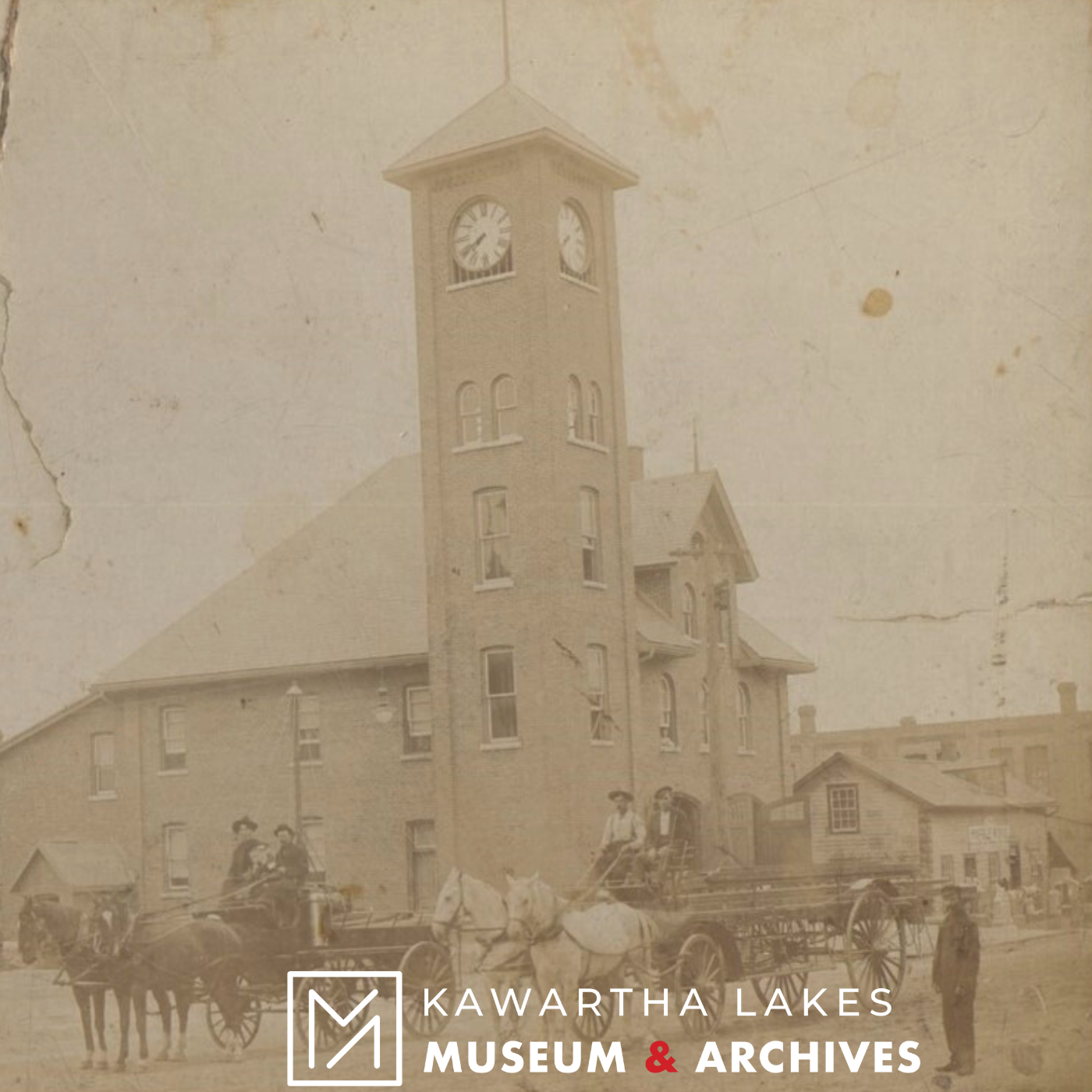
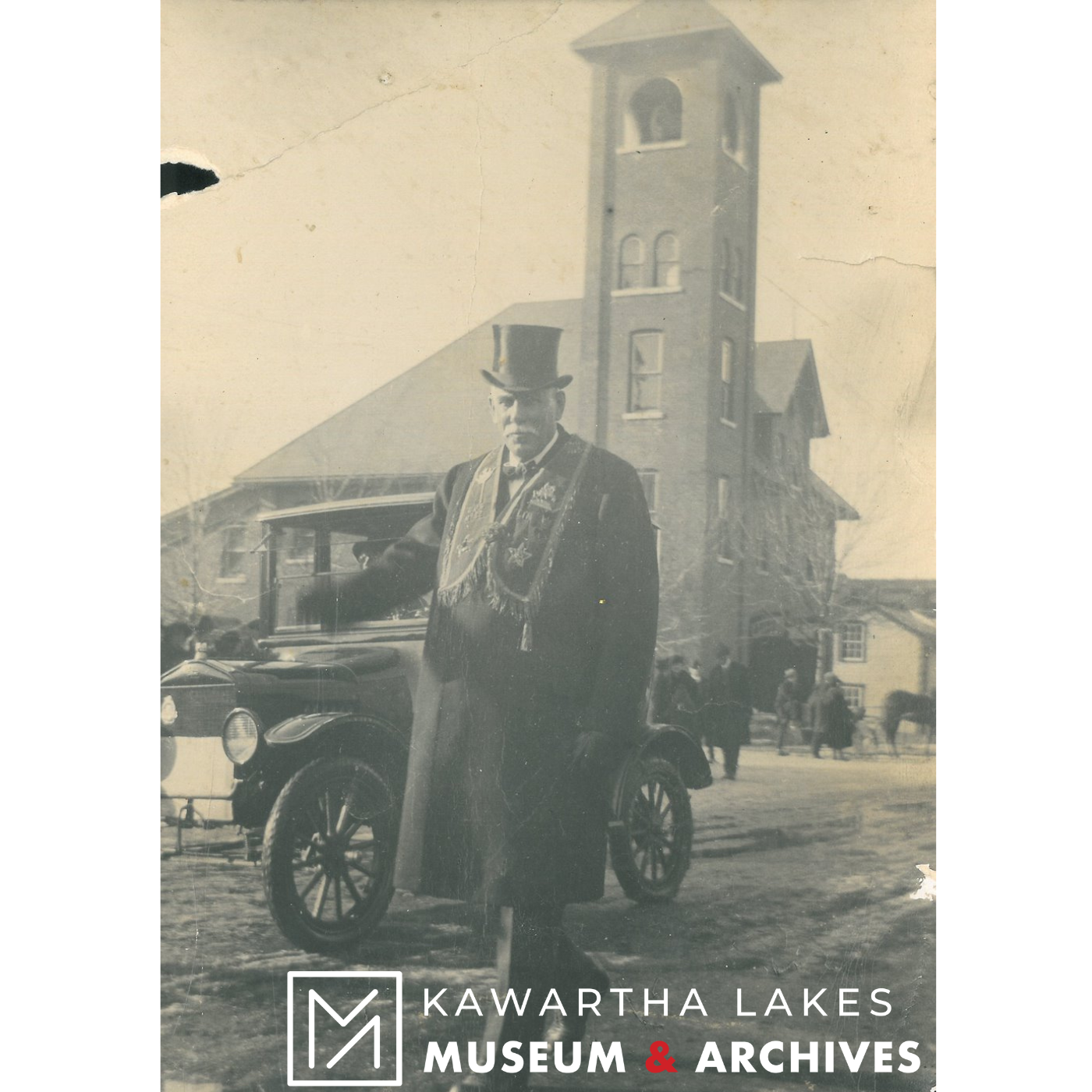
We will start with the clock in the fire hall tower (9 Cambridge Street North, Lindsay). On March 31 1950, the Post published an article about the post office clock and tower. This prompted Charles Heels to share some postcards with the Post’s reporters. The postcards showed the tower without a clock in 1906 and with a clock in 1910. Some local citizens remembered this clock had Arabic numerals and being easier to read, however, photos show the clock sported Roman numerals.
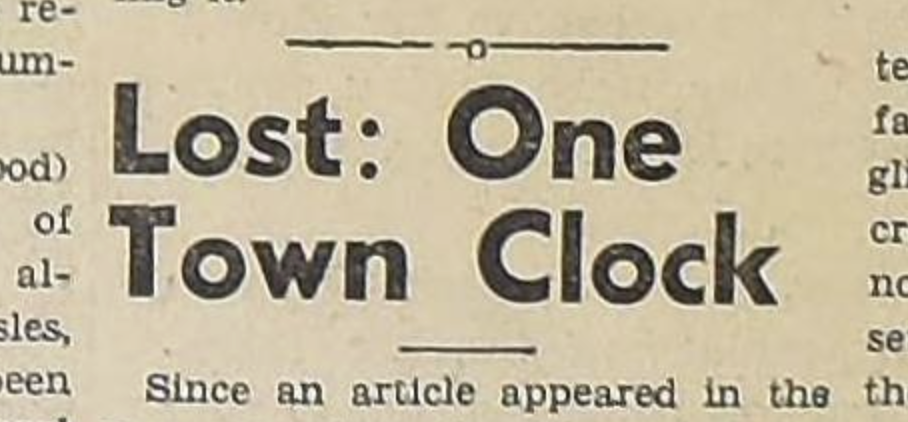
Post, 5 April 1950
At some point, the fire tower clock and one of its bells were removed, though no one seemed to know where. With the removal of the post office clock and its fate unknown, curiosity turned into panic with headlines in the Post demanding to know of the whereabouts of the fire tower clock and bell.
Stories poured in. Someone said the clock disappeared during the time Earl Beadle was fire chief. It seems he didn’t enjoy the job of having to wind the clock every second day, especially during the winter, and didn’t see the need for the fire tower to have a clock since the post office had one. It was also said the clock dampened the sound of the fire bells. Earl Beadle was fire chief from 1917 to 1922.
Another story came from W. E. Goodwin who said the fire tower’s clock came from the Cambridge Street Baptist Church (28 Cambridge Street North, Lindsay).
With a little digging through our Post archives, we discovered the decision to remove the clock from the Baptist Church was made by the church authorities in October 1901. The clockwork was examined and pronounced to be in excellent shape. Alderman O’Reilly suggested the clock could adorn the new fire hall. In August 1902, the clock was removed from the Baptist Church tower, and most of the new fire hall had been constructed. By November that year, the new clocks were installed in the fire hall.
As for Charles Heels’ postcard from 1906 that showed the fire hall tower without a clock, the Post that year frequently noted the town clock had stopped and was in need of fixing, so it’s likely the clock had been removed for repairs when the postcard photo was taken.

Lindsay Post 6 August 1902


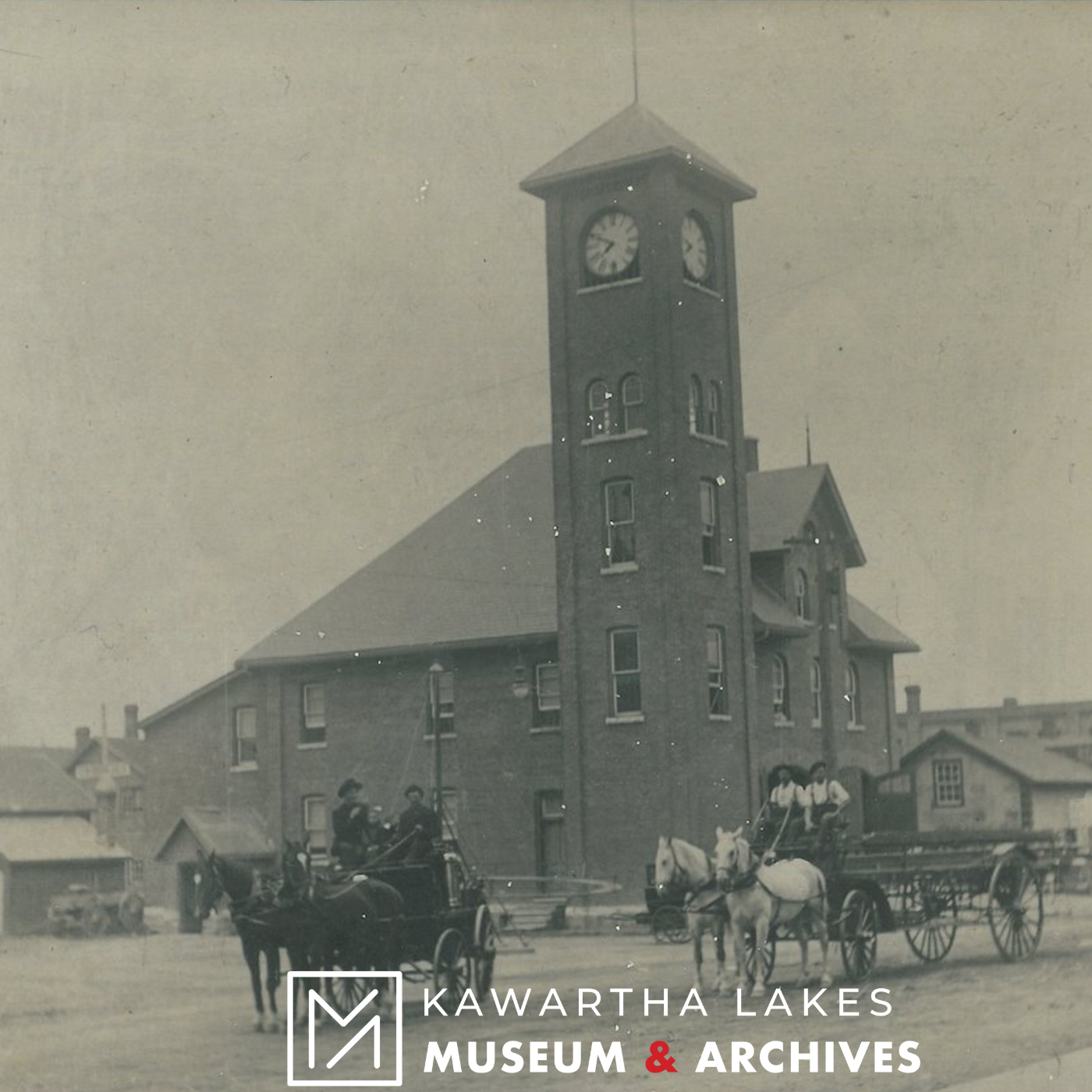
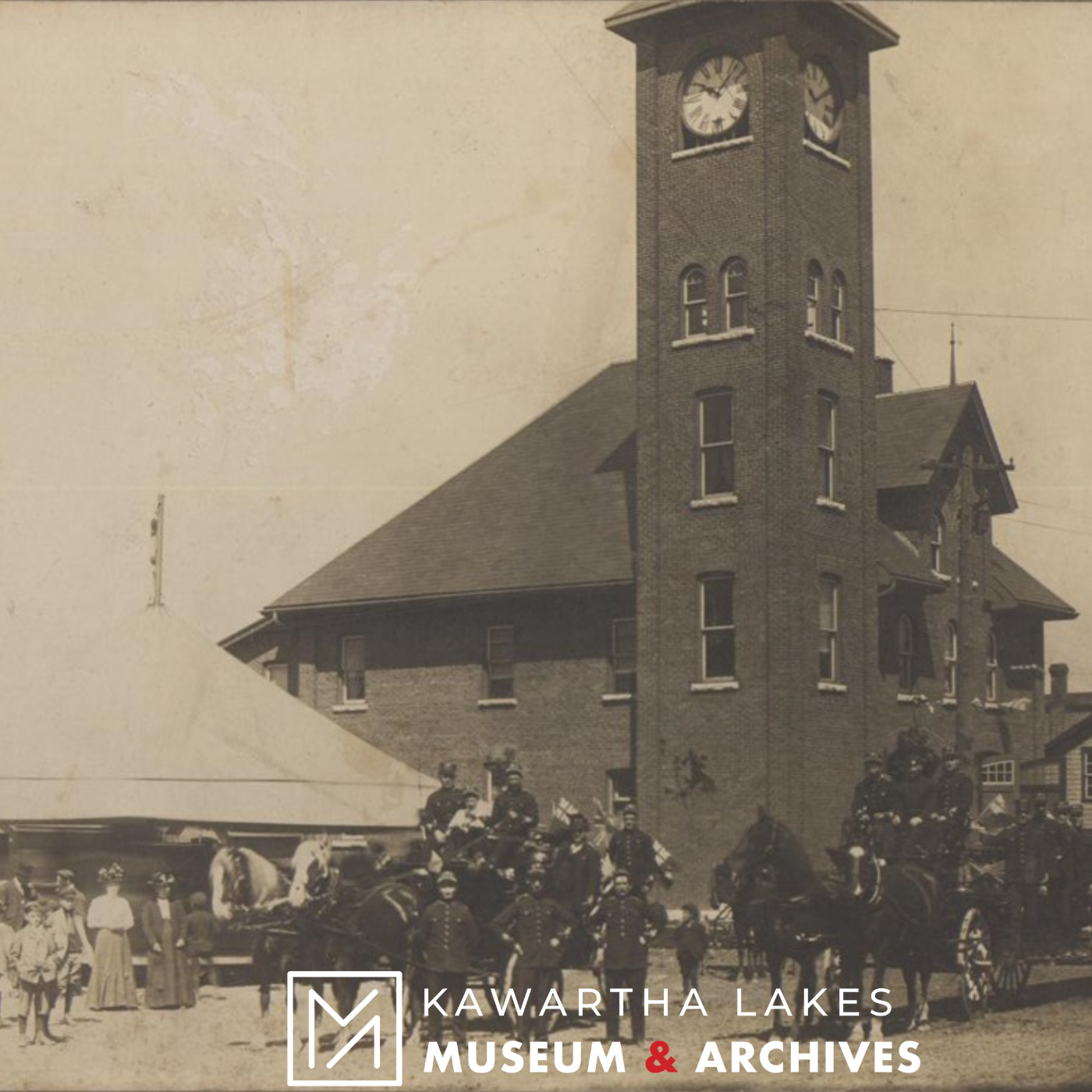
Post Office
Lindsay’s old post office was originally built in 1888, and although there are circles in the short tower that could have been used for the clock, they were not.
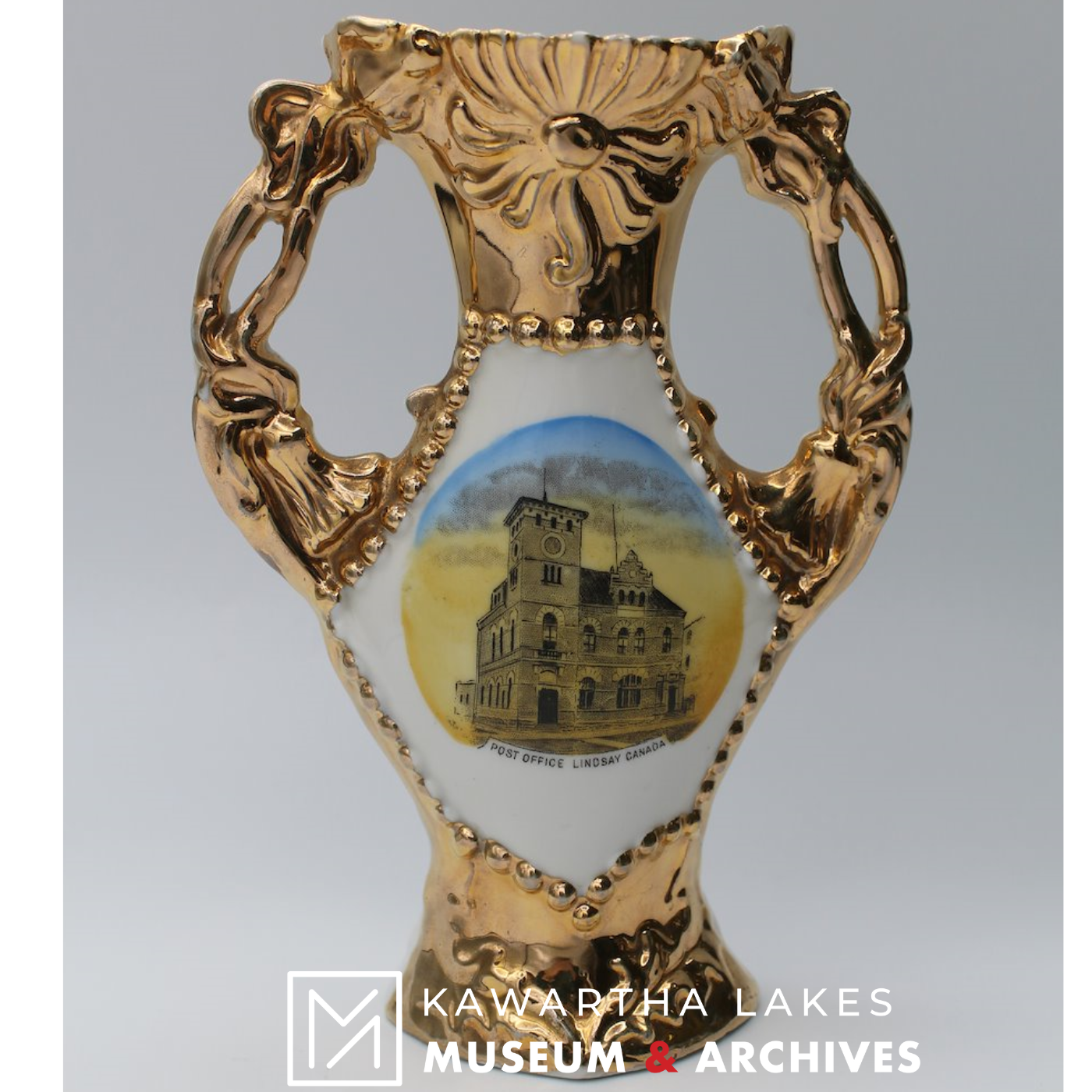

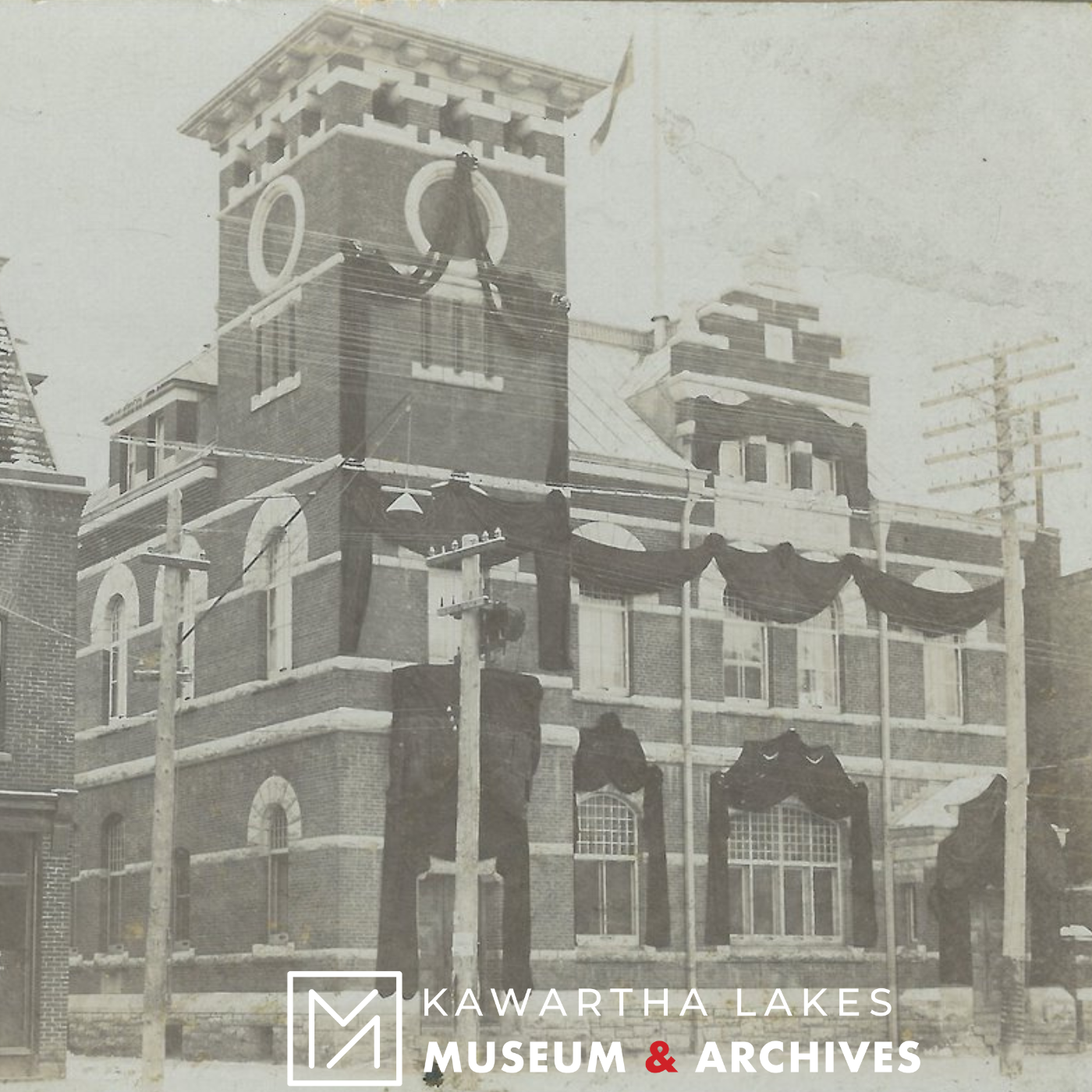
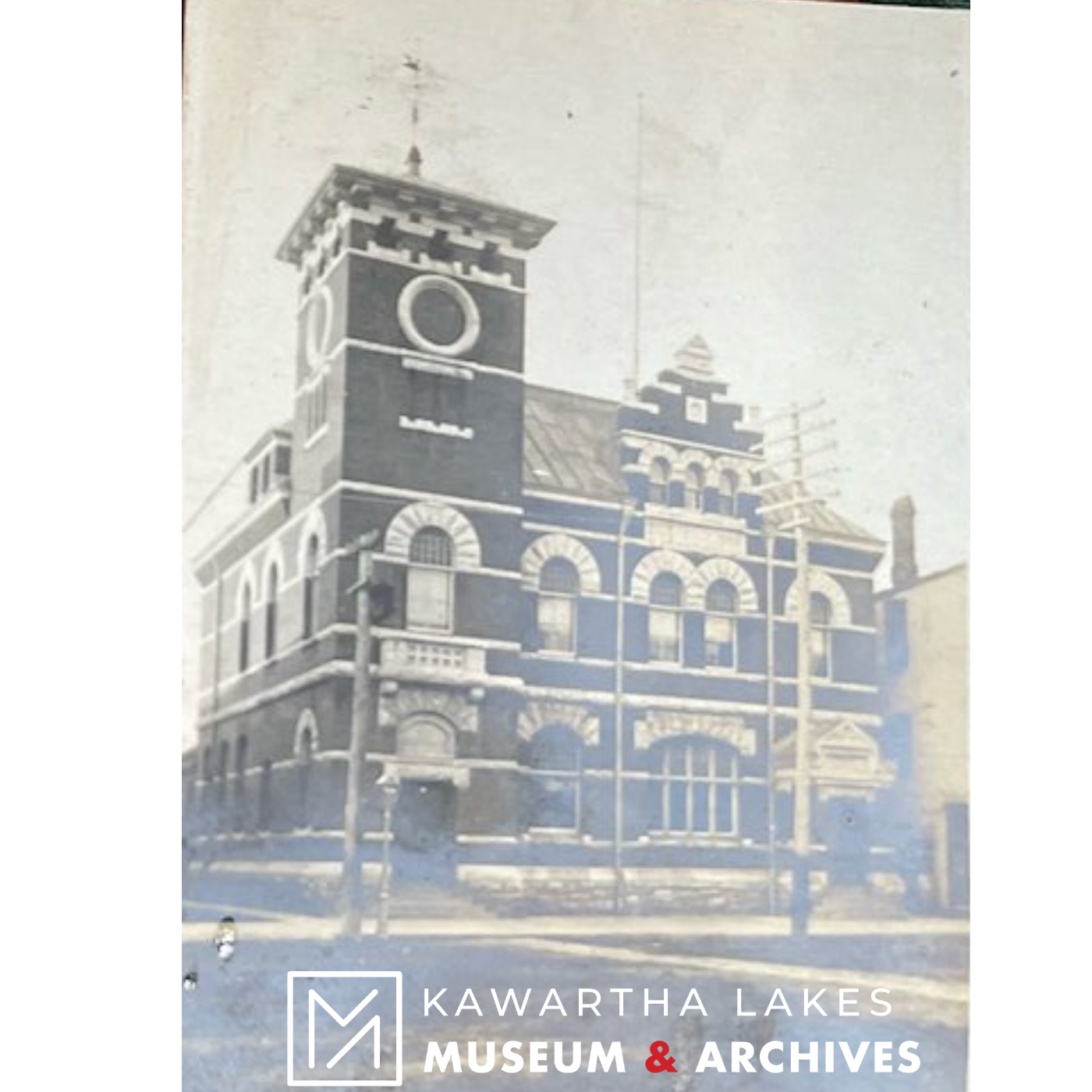
In 1913, the federal government began maintenance and upgrades to the post office buildings, and among the improvements, added clock towers.
Lindsay wanted one, too.
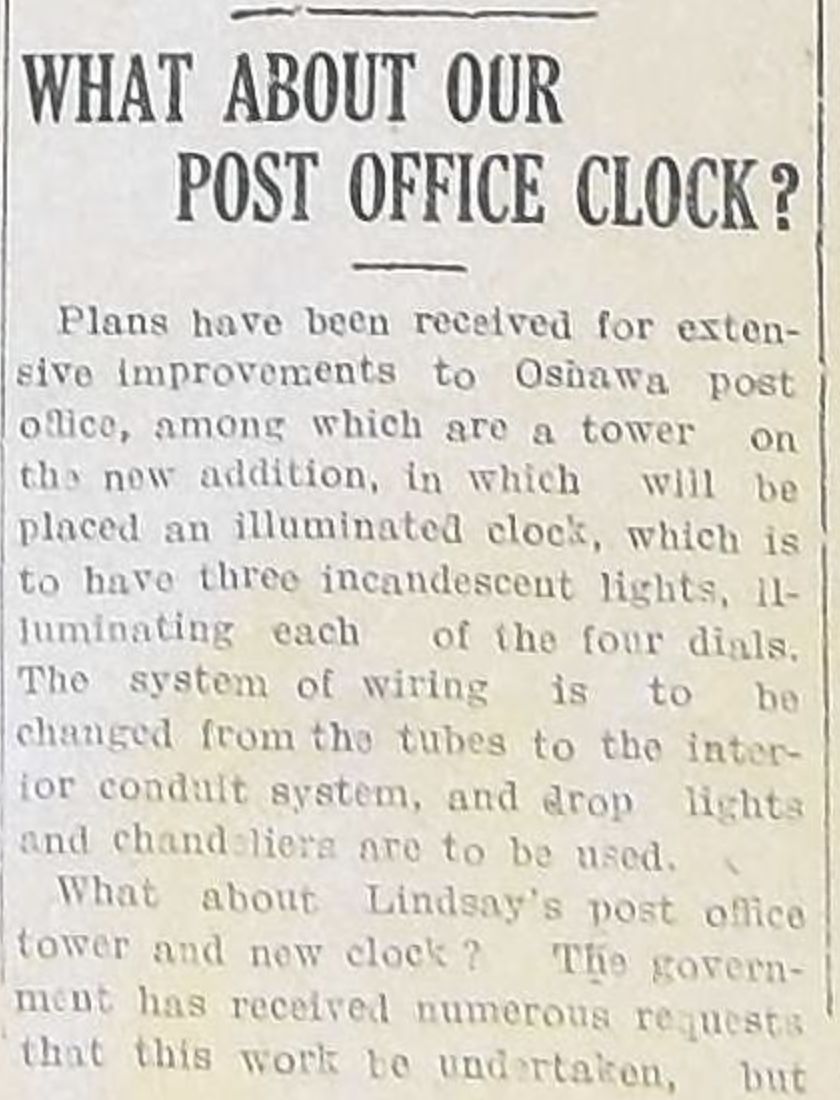
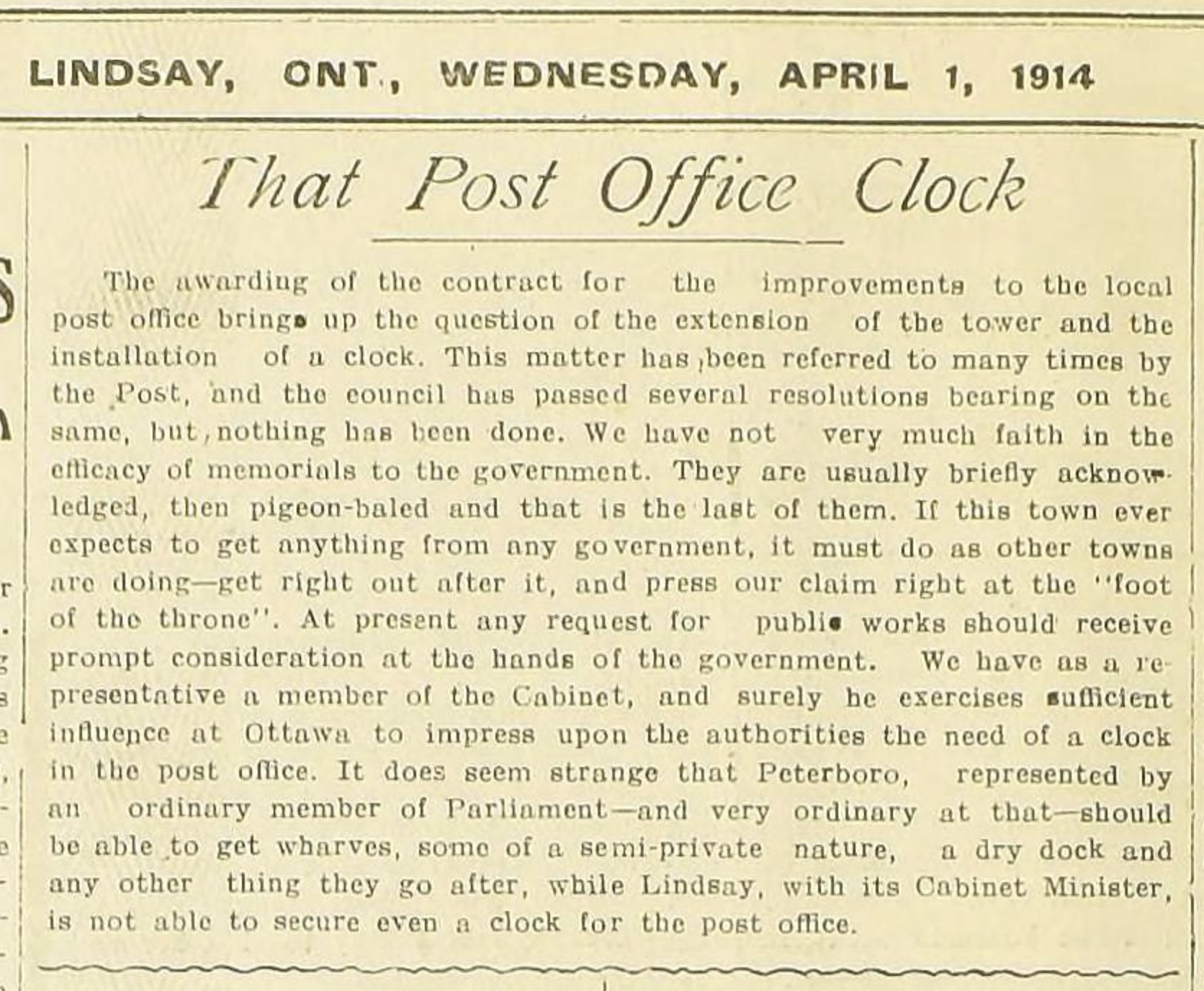
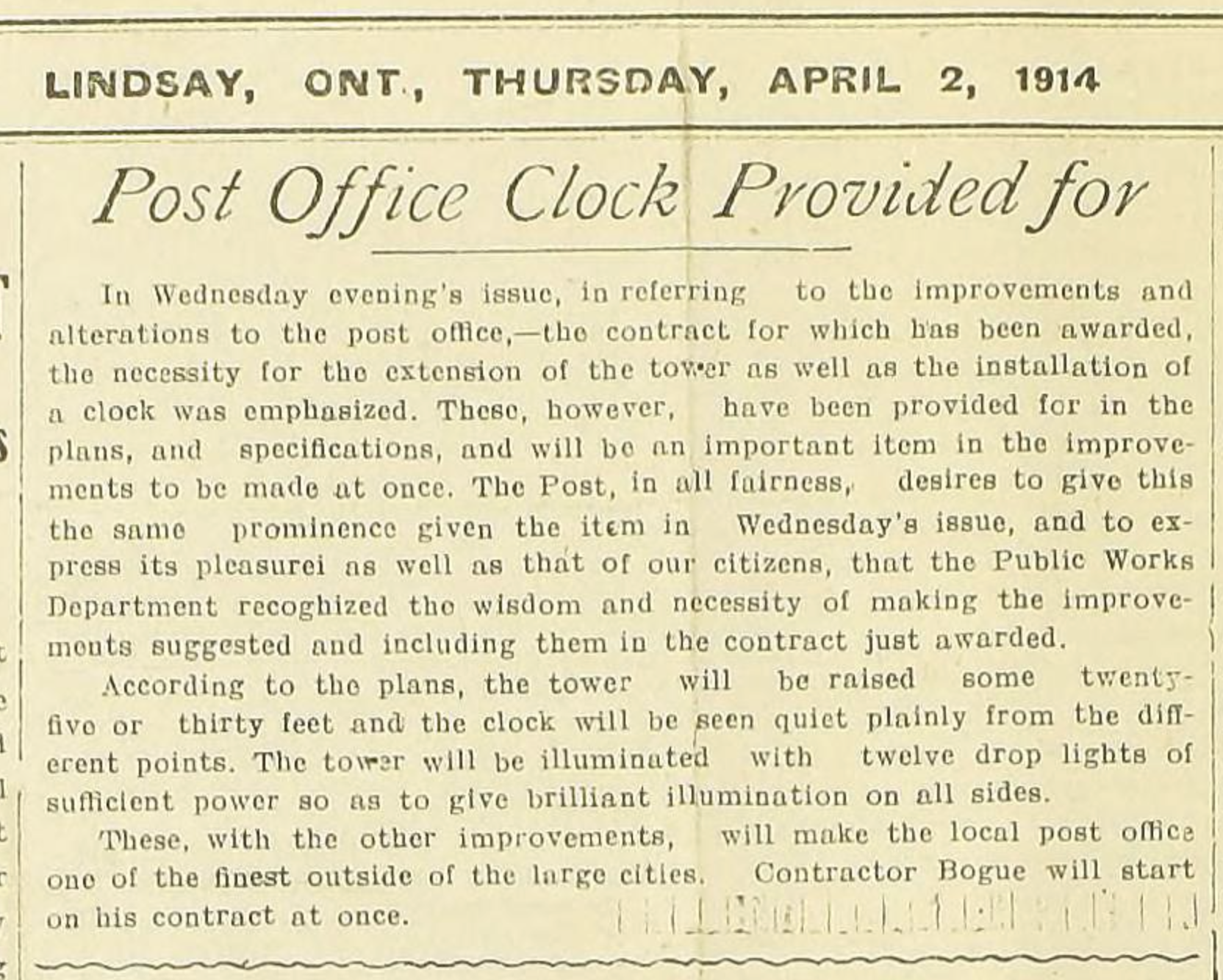
On April 2, 1914, just one day after their front-page complaint, the Post published an update:
Lindsay Post.
Fifty Years Later
In 1963, the federal government decided to dispose of the post office. They offered the building to Town Council, who declined but wished to buy the clock.
The clock came down in 1964 when the old post office on Kent Street was demolished, an event captured by Alan Capon, shown in the photos below.
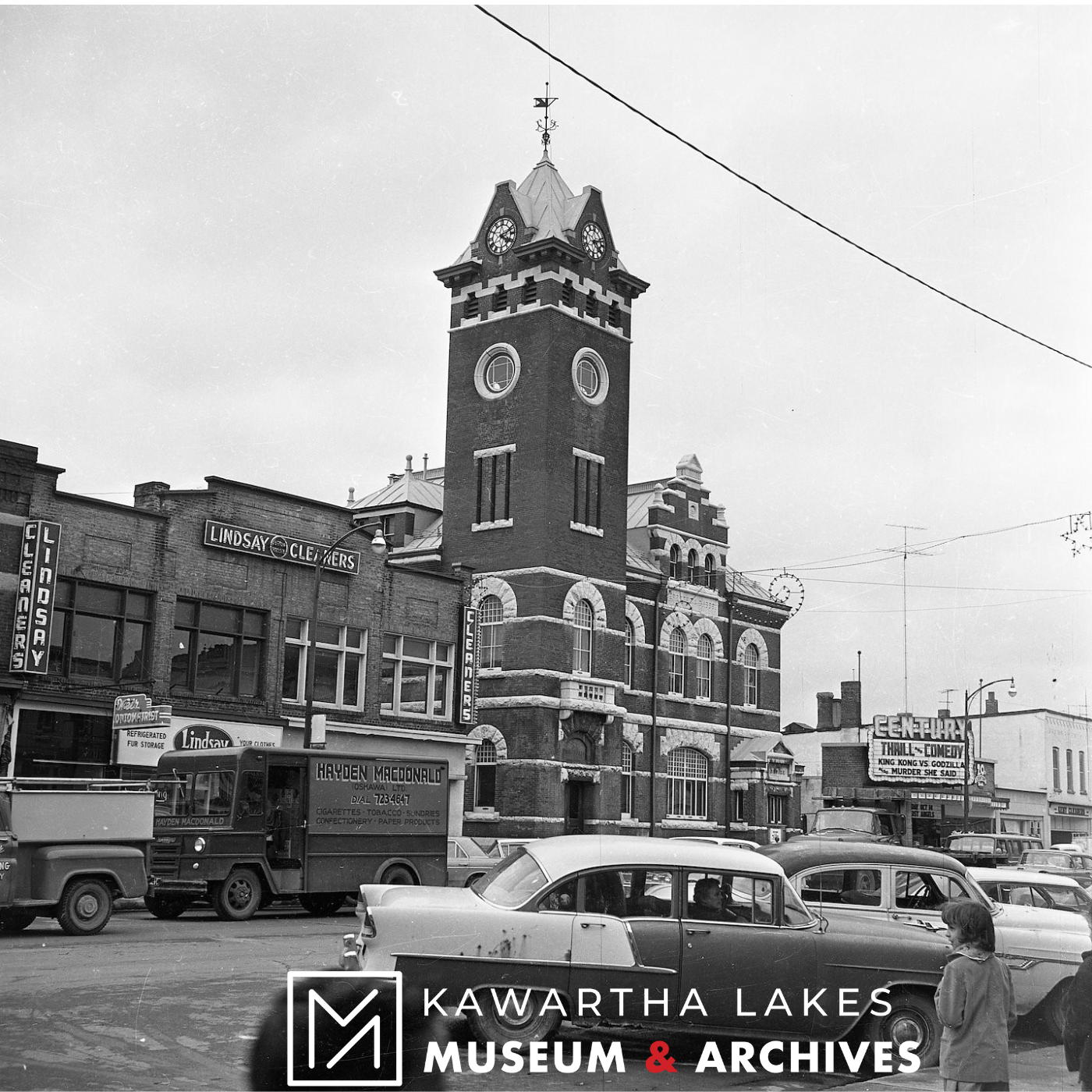
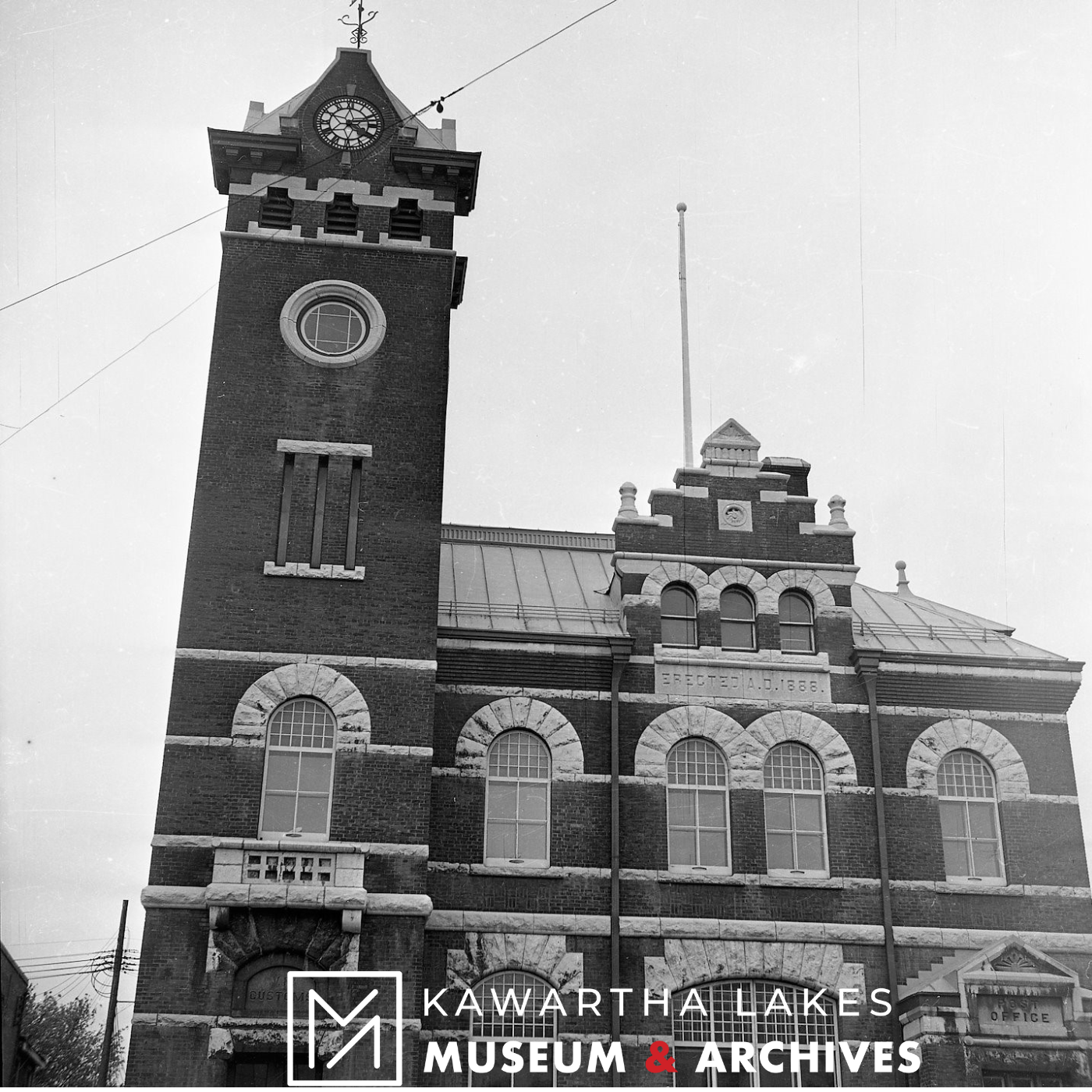
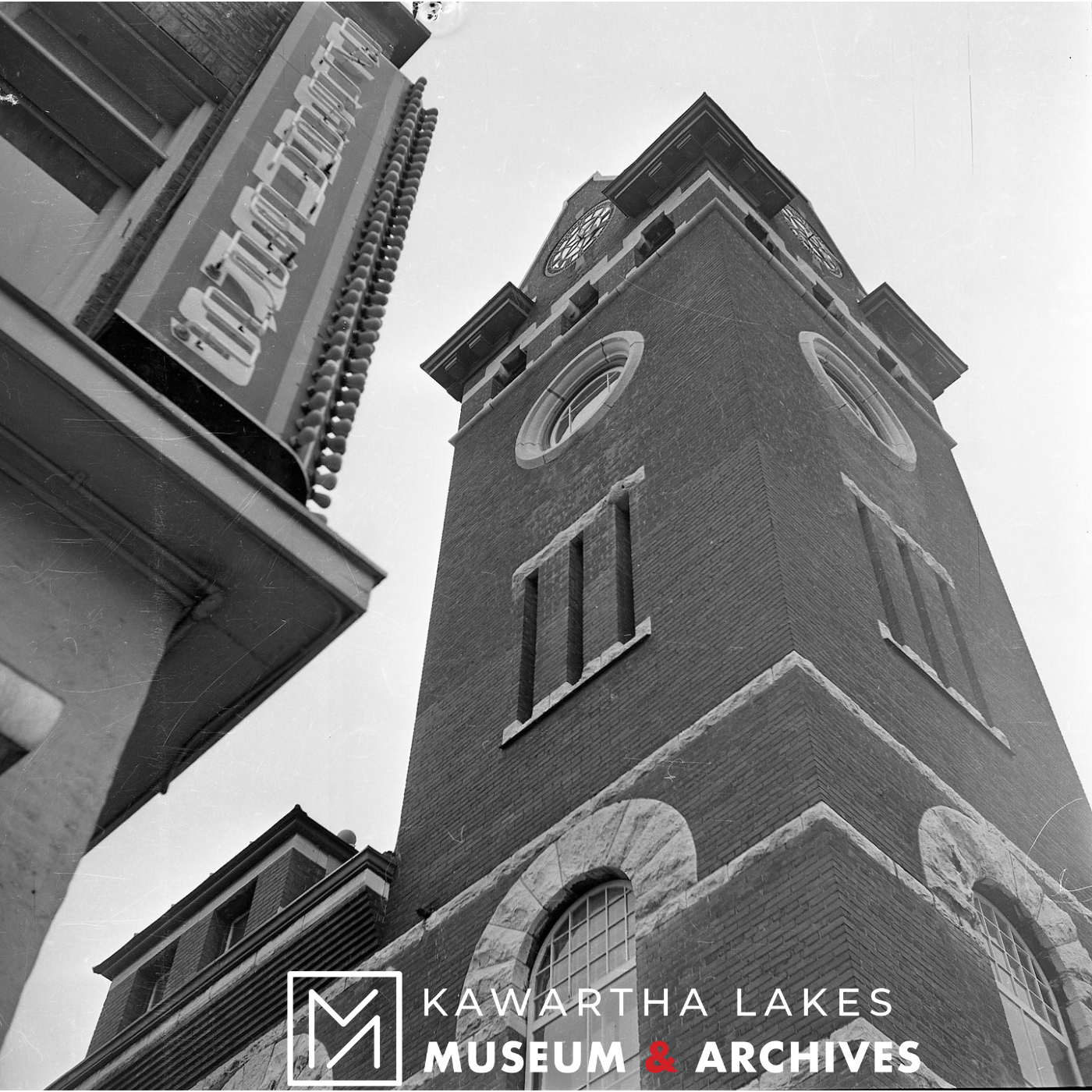
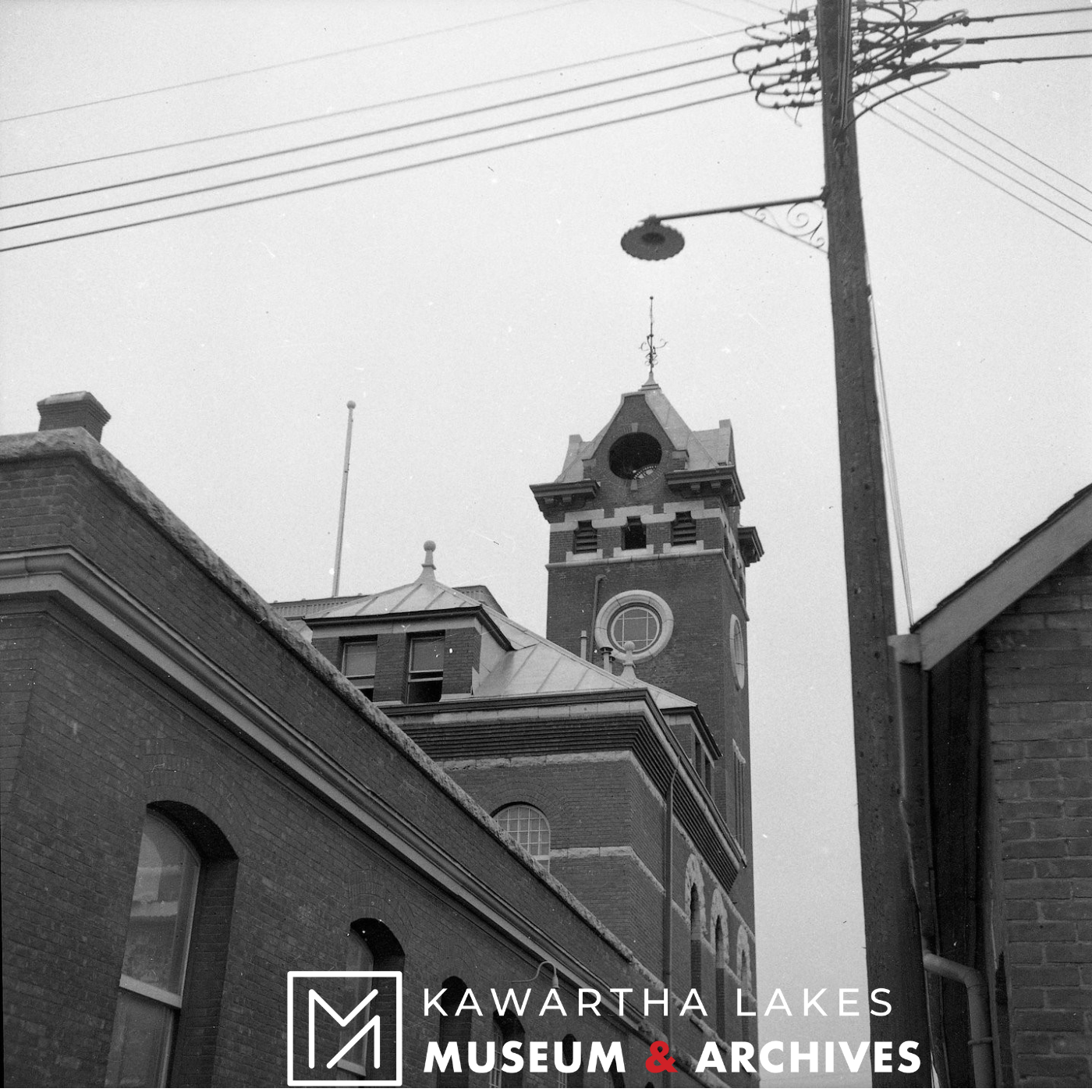
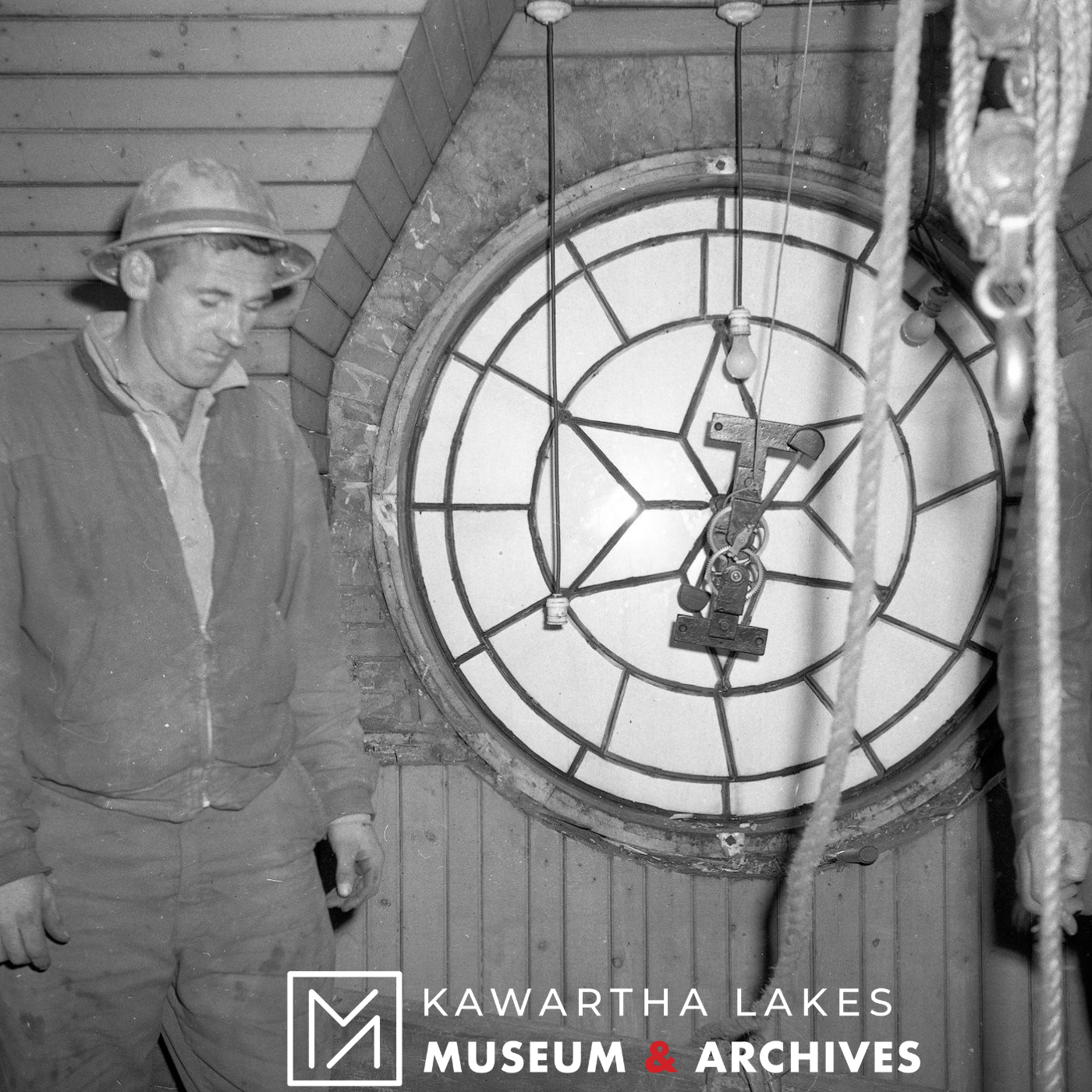
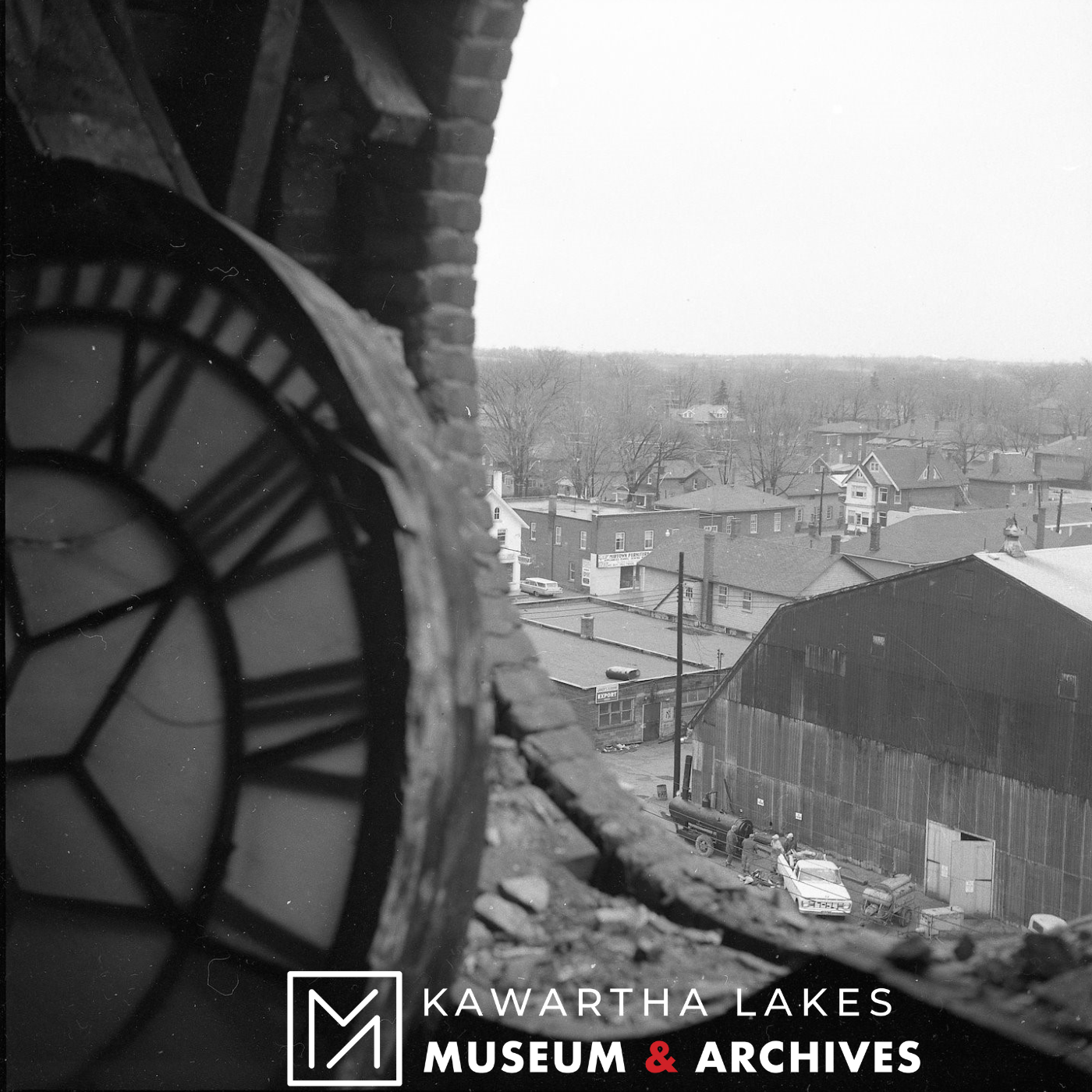
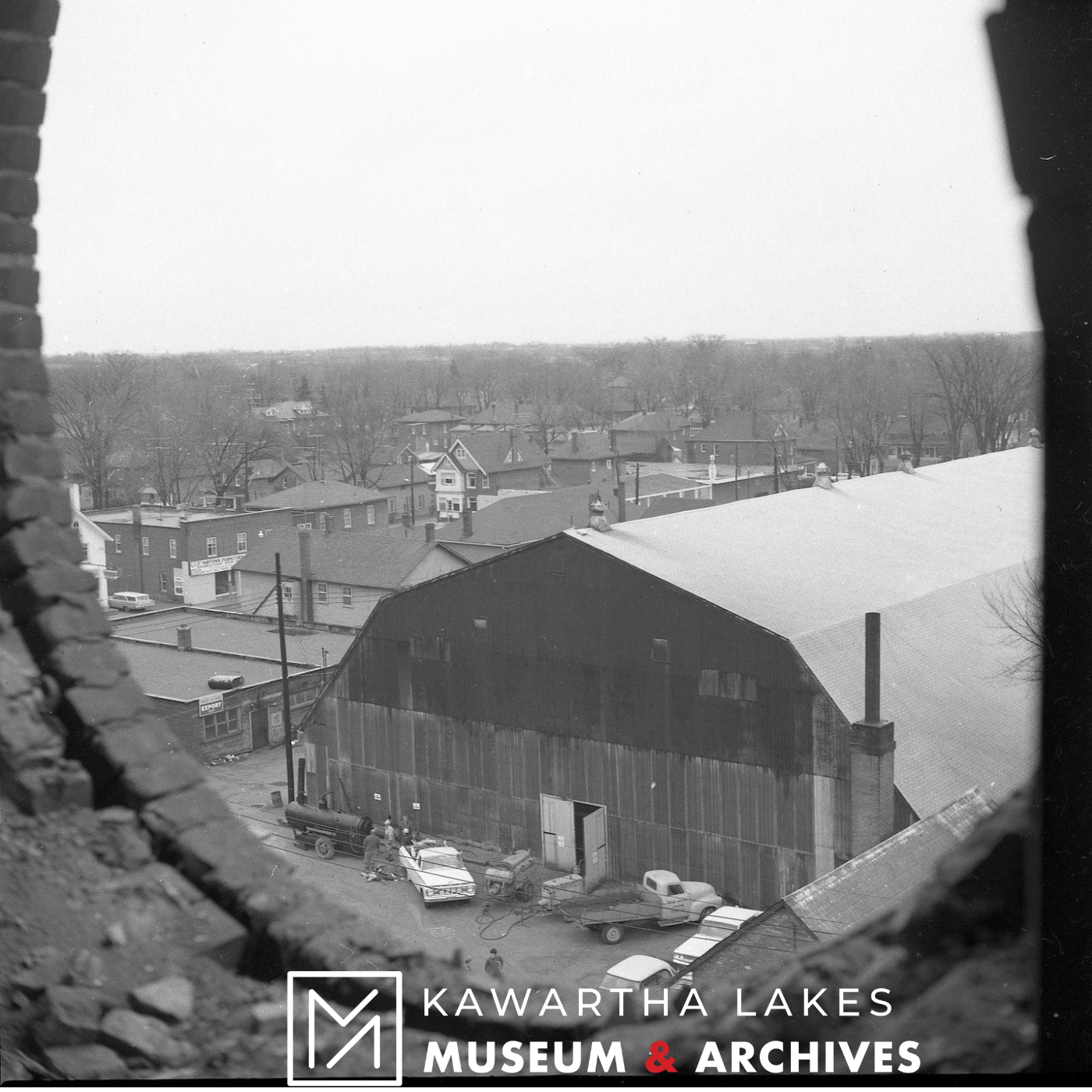
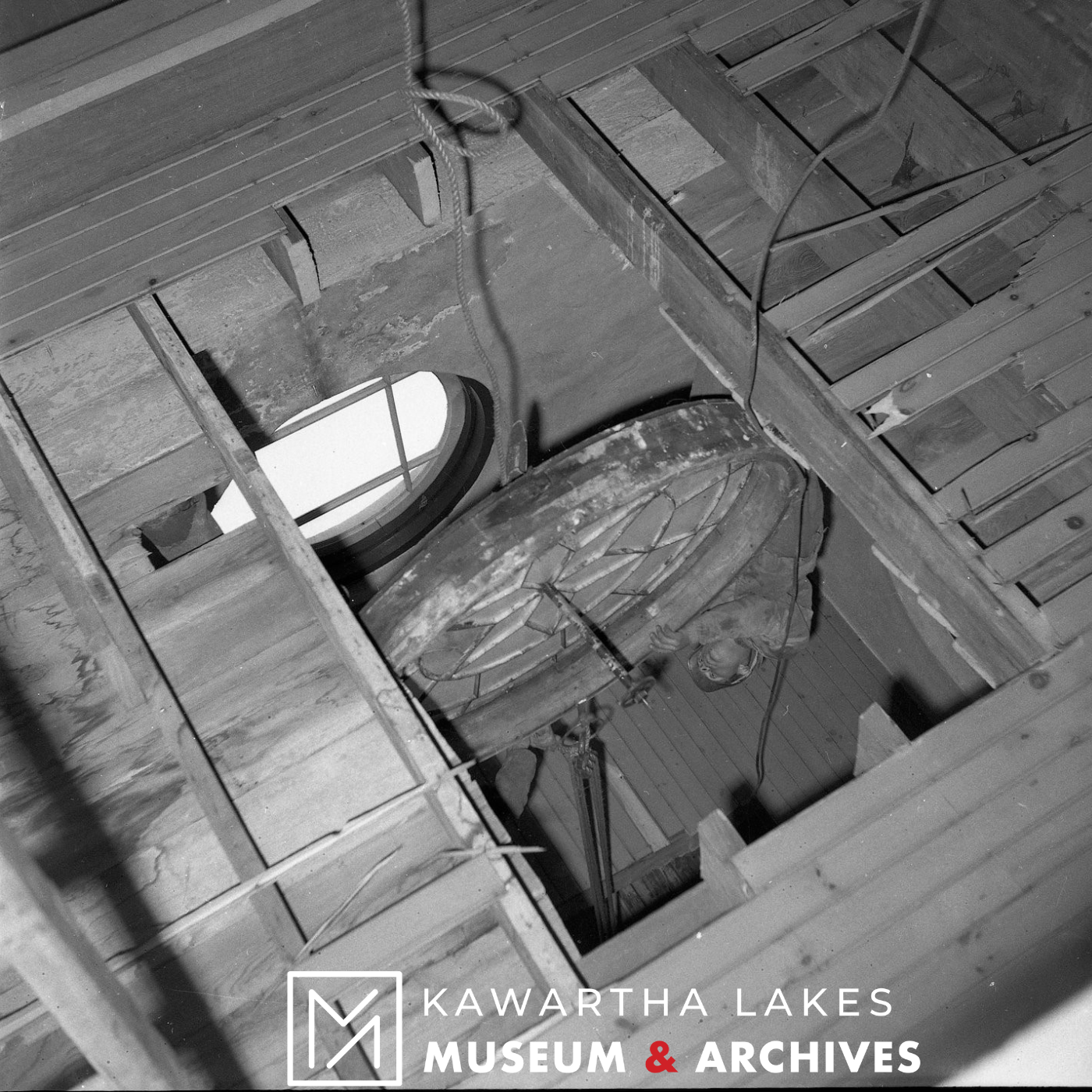
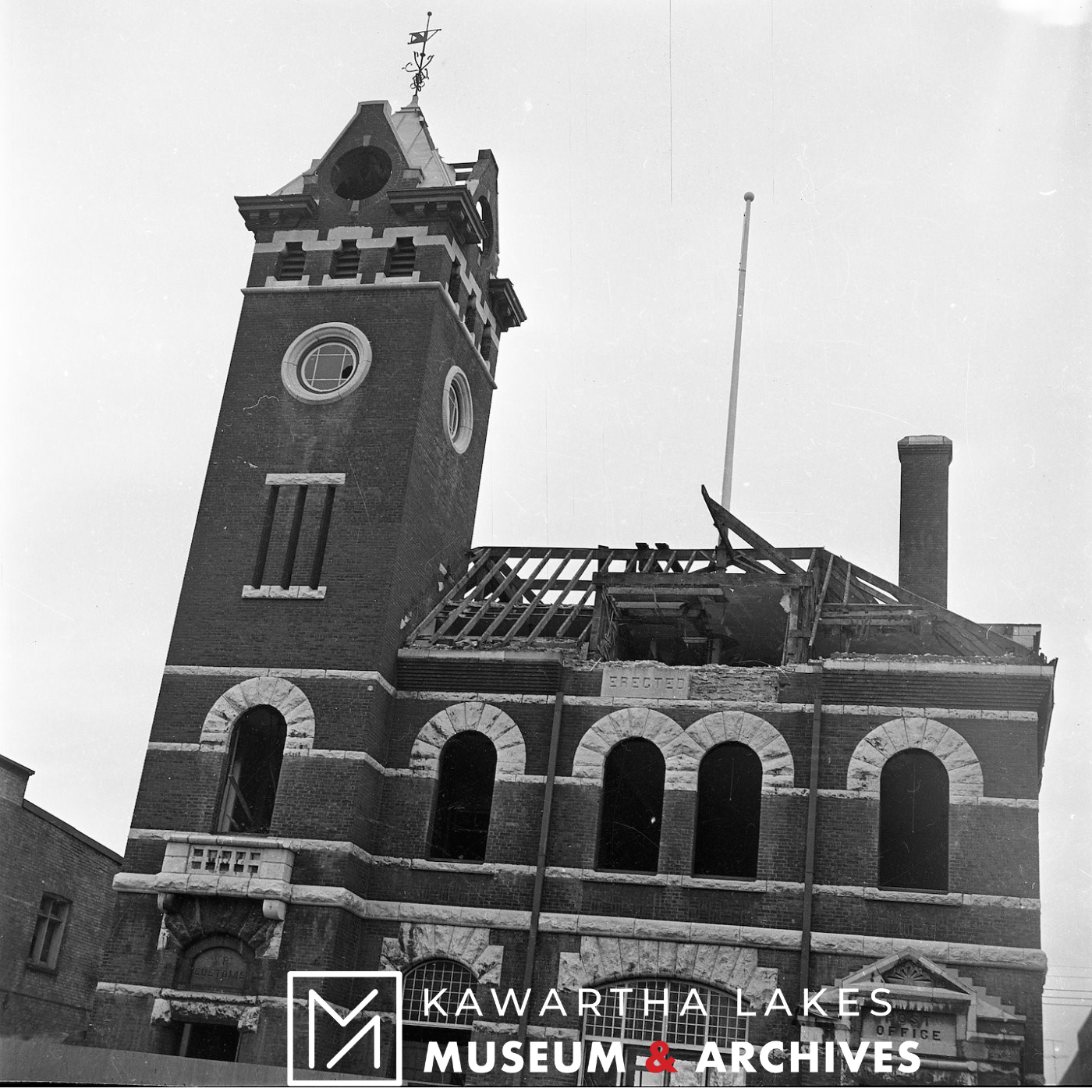
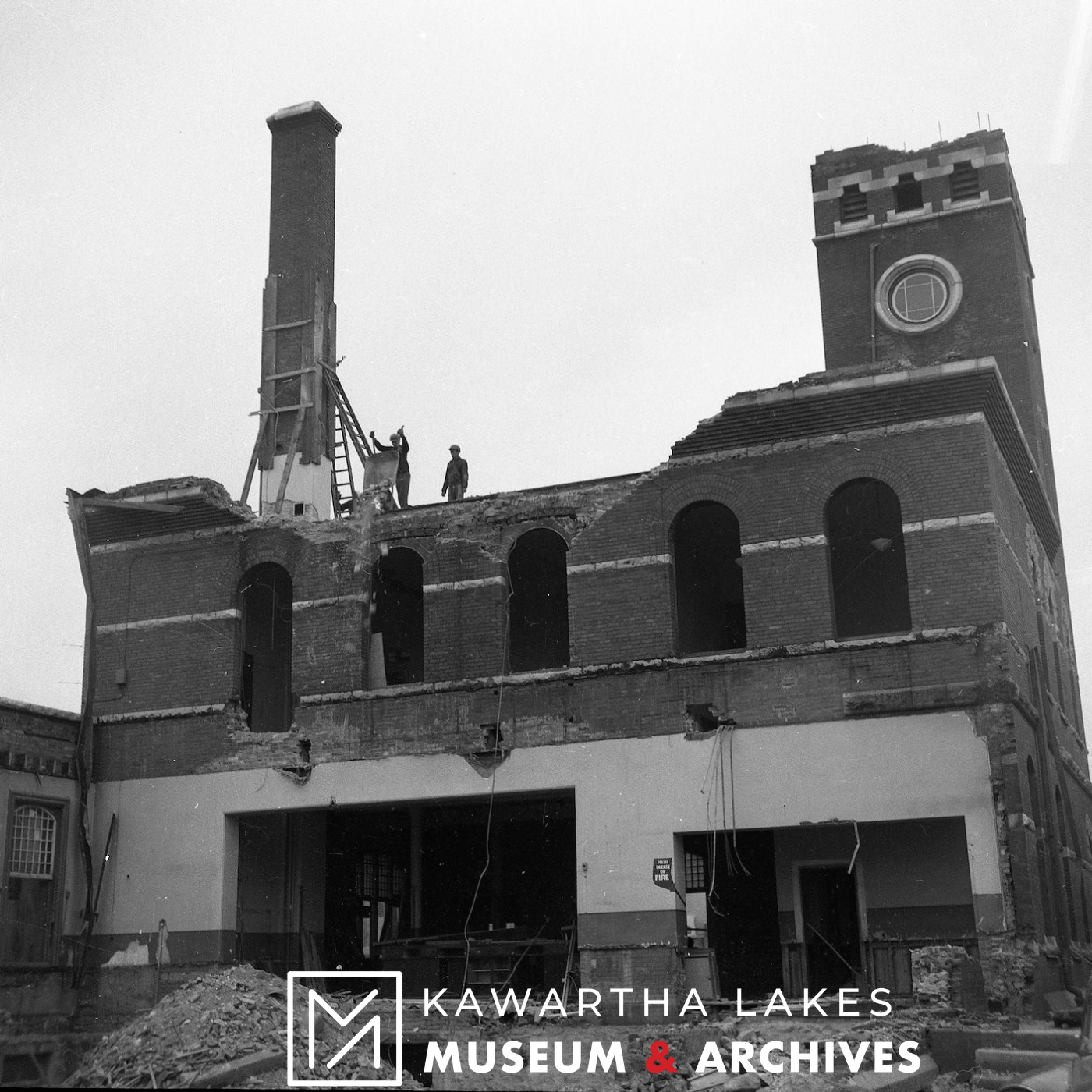
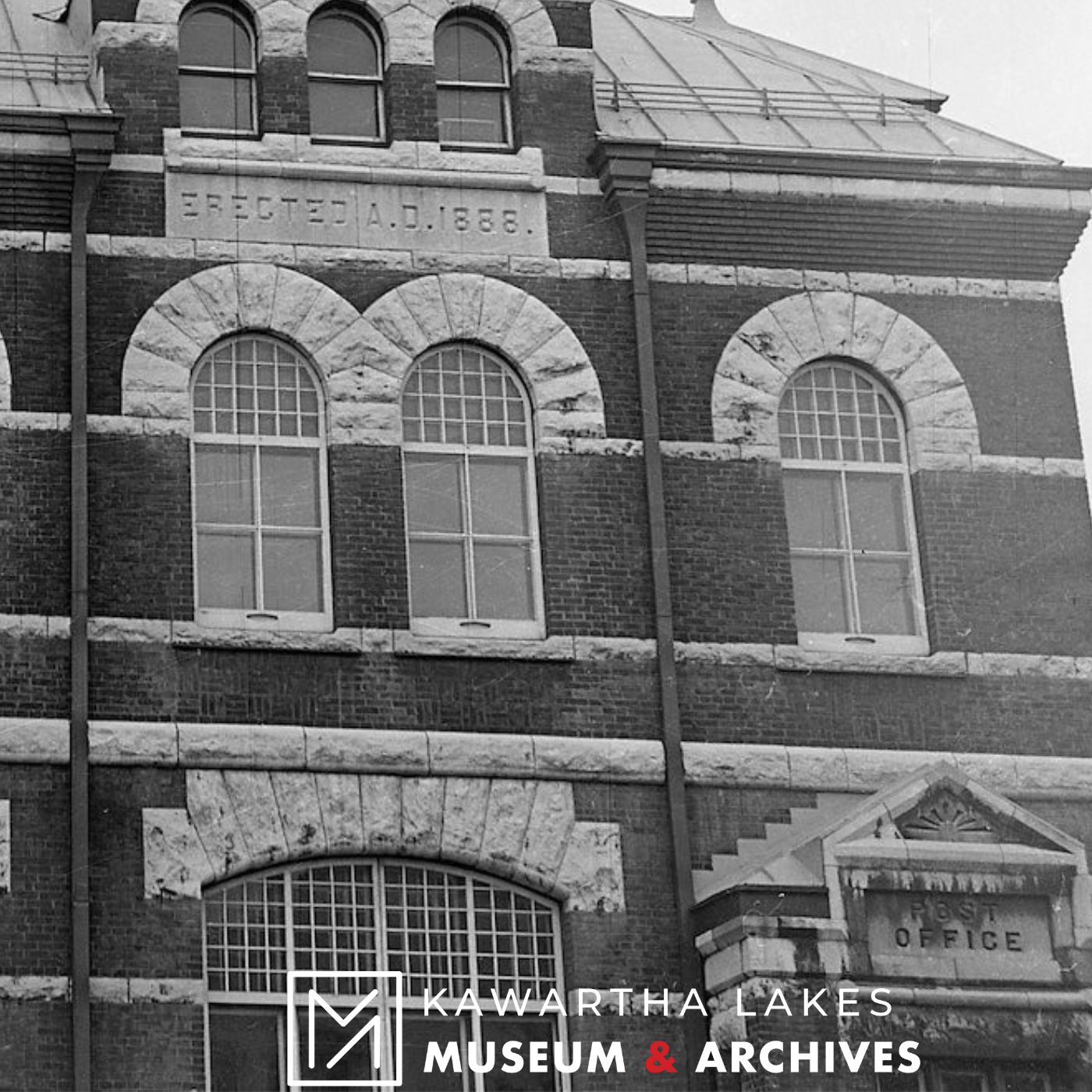
Much debate about the fate of the clock followed. Members of Lindsay’s Town Council agreed that that town needed a clock and it should be in a central location. The clock was offered to the Academy Theatre, but the Theatre’s Foundation felt the clock should be more south so it was visible from Kent Street. The building at 10 Lindsay Street South was suggested since it sits at the foot of Kent Street, but this idea wasn’t met with much enthusiasm by the building’s owner.
Town Council also offered the clock to the Dominion Store that replaced the demolished post office (131 Kent Street West, most recently a dollar store) and to the Victoria and Grey Trust (87 Kent Street West, now Income Tax Plus.) But both businesses declined, saying they had their own plans to put clocks on their buildings.
The Lindsay Women’s Institute offered to make a donation towards the installation of the clock if it was installed on town property, but it doesn’t appear council made good on this offer.
Just four years after the demolition of the post office, Ford Moynes reported in the Lindsay Post that the clock was “rotting” in the “dungeon” under Town Hall (180 Kent Street West, now the offices for Economic Development department of the City of Kawartha Lakes) and that the Shell sign at the end of Kent Street hadn’t been operating for many months. He suggested the Shell people be approached with the idea of erecting the town clock in place of the defunct Shell sign, but if the Shell people were approached, it seems they declined.
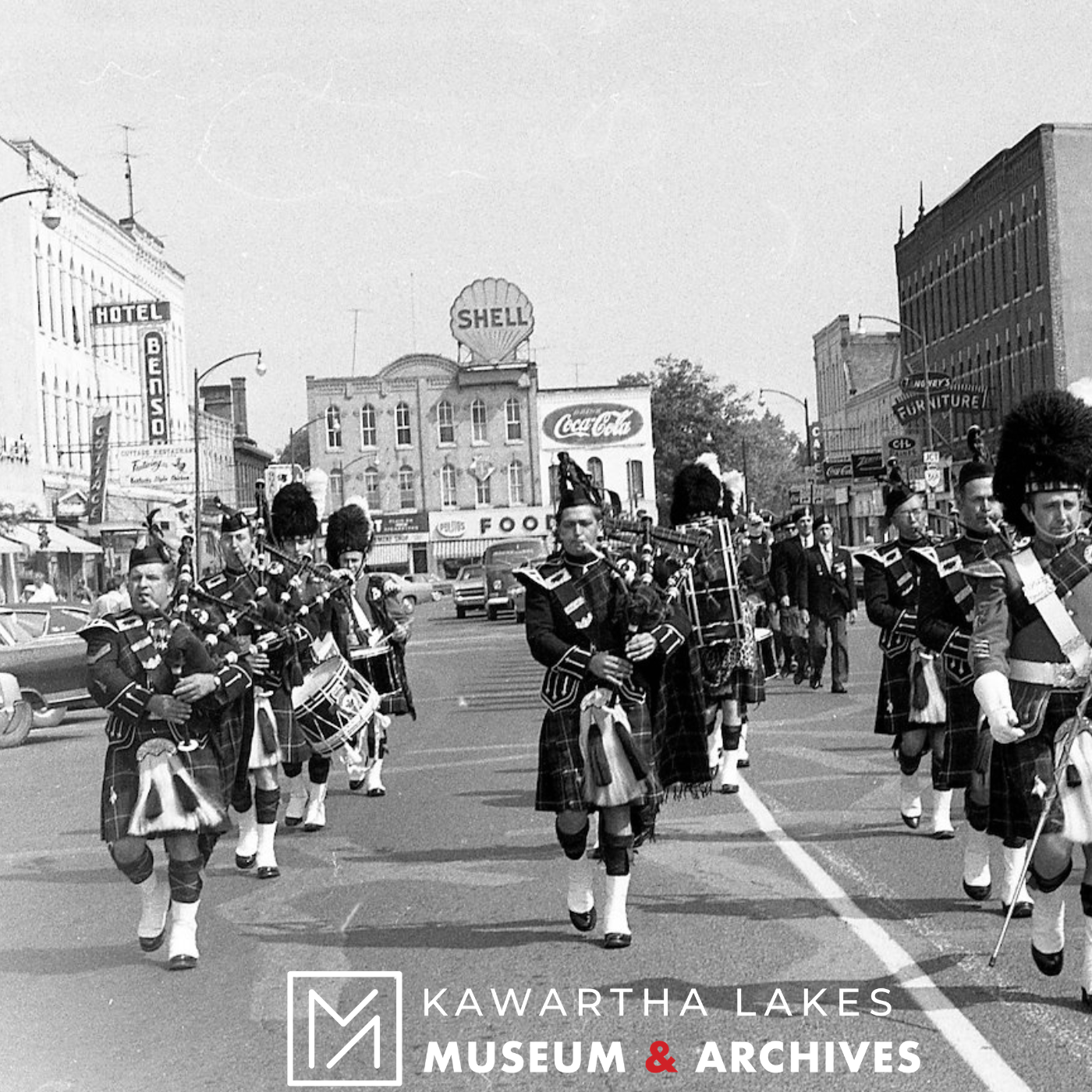
(item 2021.70.1.1860) Photo taken in 1969 by Alan Capon, featuring the Shell sign at the bottom of Kent Street West, Lindsay.
Years later, in December 1971, the Post published a front-page article announcing the clock had been sold to the Cookstown Museum of Time, where it would be installed on a 20-foot tower.
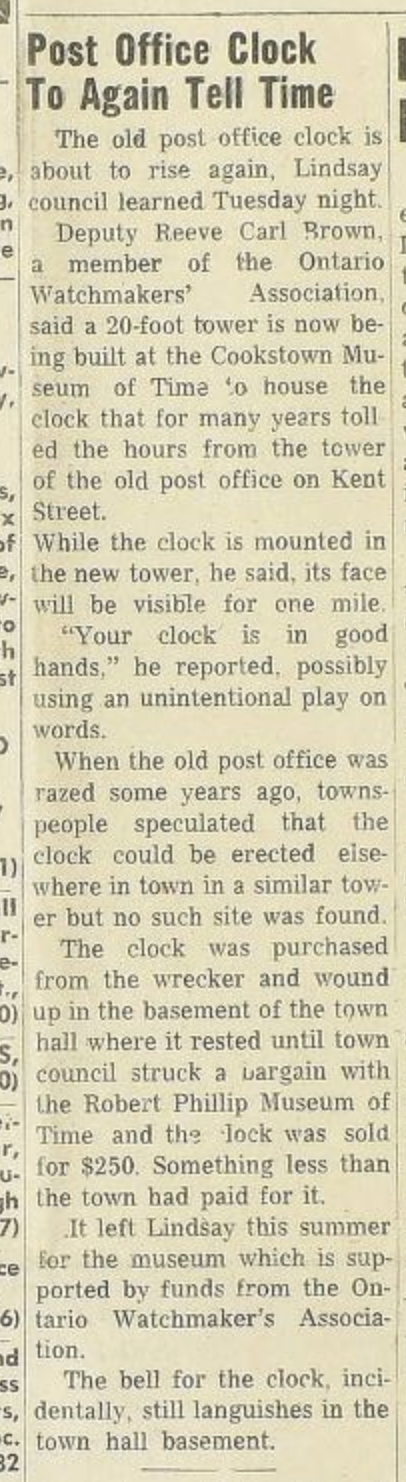
Lindsay Post, 8 December 1971
The Museum of Time was operated by Robert Phillip with funding from the Ontario Watchmaker’s Association, and located on George Street in Cookstown/Innisfil.
Robert S. Phillip was Executive Secretary for the Ontario Watchmakers’ Association and active with the Horological Institute of America and the United Horological Association of America, and played a key role when the two groups merged to form the American Watchmaker’s Institute. He was one of the early directors of the AWI and helped build the organization’s success. He left behind his wife, Alice, and two children, Robert John and Joan.
After Robert S. Phillip died on 2 April 1991 at age 75, the contents of his museum were sold at auction in 1993 via Waddington’s Auction House in Toronto.
The current location of the old town clock is once again a mystery.
With thanks:
We are grateful to the Innisfil IdeaLab, the American Watchmakers’-Clockmakers’ Institute, and the Canadian Clock Museum for assistance with determining the fate of Robert Phillip and his Museum of Time.
More Information:
Horological Times, May 1991 issue
Lindsay Post:
1950.04.03. “More about Town Clocks.”
1963.06.05. “No interest in Post Office but council would buy clock.”
1964.01.21. “Two offered town clock.”
1964.01.31. “$2500 county grant for Academy Foundation” and “The old town clock is missed.”
1964.02.04. “Council Quickies.”
1964.02.12. “Council Quickies.”
1969.05.19. “On the Main Street.”
1969.05.19. “On the Main Street.”
Town Clock Dates:
Cambridge Street Baptist Church clock: unknown - 1902
Fire hall clock: 1902 - 1917ish
Post office clock: 1914 - 1964